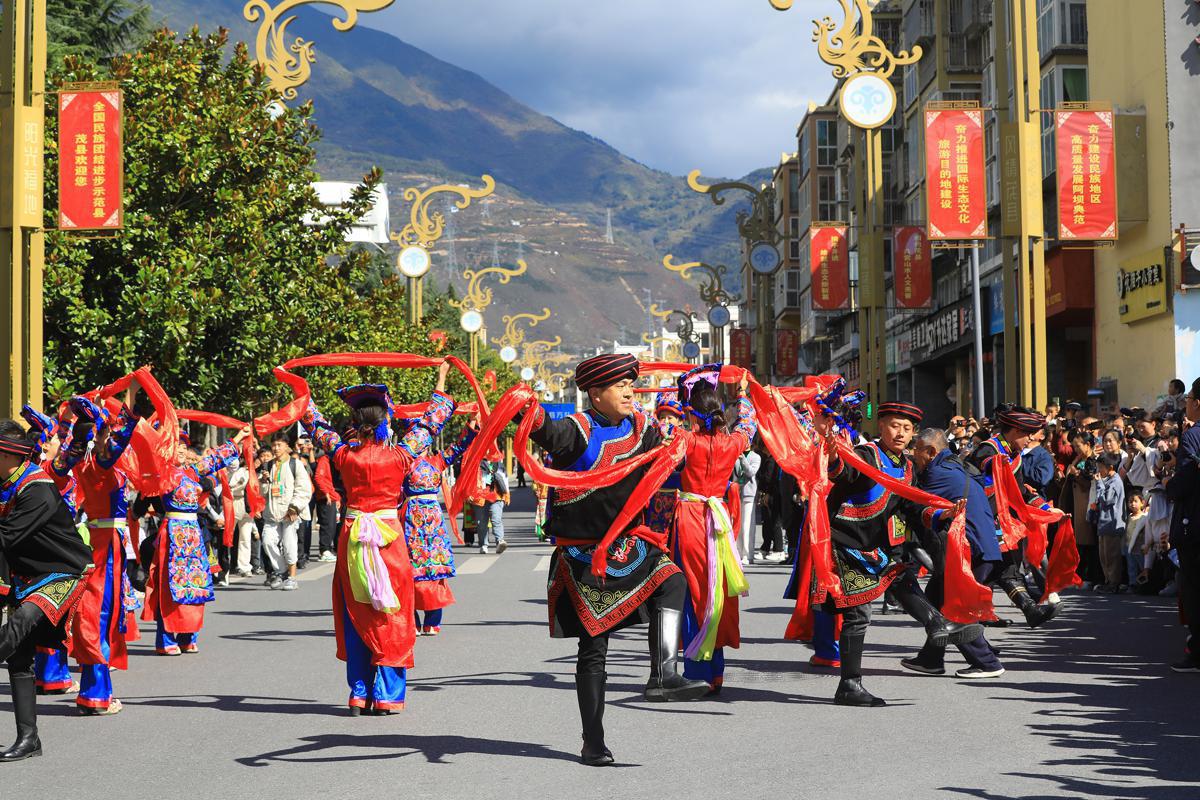
The Qiang New Year Festival
Introduction
The Qiang New Year Festival is a significant cultural event for the Qiang ethnic group in China's Sichuan province. It is traditionally held on the first day of the tenth month on the traditional Chinese calendar and serves as an important occasion for the Qiang people to offer thanks for prosperity, reaffirm their harmonious relationship with the natural world, and promote social and familial cohesion. The festival encompasses a variety of ceremonial activities that underline the cultural heritage and community values of the Qiang people. These include ritual sacrifices, traditional dances, music, and communal gatherings, all emblematic of the rich cultural tapestry of the Qiang community.
History
The Qiang New Year Festival has ancient roots that can be traced back to the historical traditions of the Qiang ethnic group. This festival's origins lie in the agrarian society of the Qiang people, where it marked the end of the harvest season and offered an opportunity to express gratitude to the deities for a bountiful yield. Over the centuries, the festival evolved to encompass various cultural elements, serving as a repository of Qiang traditions and historical narratives. Despite modernization and external cultural influences, the Qiang New Year remains a vital thread in the fabric of Qiang identity, encapsulating the resilience and continuity of their cultural heritage. The festival gained national recognition when it was included in the second batch of national intangible cultural heritage items in 2008, and it was included in UNESCO's List of Intangible Cultural Heritage of Humanity in December, 2024.
Cultural Significance
The cultural significance of the Qiang New Year Festival is profound. It acts as a medium for the Qiang people to connect with their ancestors, nature, and the divine. Through the festival's rituals and celebrations, the Qiang community expresses its cultural identity, passing down traditions, values, and historical consciousness from one generation to the next. The festival reinforces community bonds and fosters a spirit of unity among the participants. It also serves as an embodiment of the Qiang people's respect and reverence for nature, highlighting their sustainable practices and harmonious coexistence with the environment.
Traditional Activities
The Qiang New Year Festival is characterized by a variety of traditional activities that reflect the cultural richness and diversity of the Qiang people. These activities include solemn rituals, dynamic music and dance performances, and the preparation and sharing of traditional foods. Each aspect of the festival is infused with symbolic meanings that convey the cultural ethos of the Qiang community.
Rituals
A key component of the festival is the ritual sacrifice of a goat, which is offered to the mountain by villagers dressed in ceremonial attire. This act is conducted under the guidance of a shibi, or priest, who is responsible for ensuring the ritual's sanctity and adherence to traditional practices. The sacrifice symbolizes the Qiang people's gratitude to the deities for their blessings and their hope for continued prosperity and protection. It also represents the community's commitment to maintaining a balanced and respectful relationship with the natural world.
Music and Dance
Music and dance are integral to the Qiang New Year celebrations, with traditional performances taking center stage during the festival. The sheepskin-drumming and salang dances are among the most notable cultural expressions, led by the shibi and involving wide participation from the community. These performances are not only a form of entertainment but also serve as a conduit for cultural expression, storytelling, and the preservation of traditional Qiang music and dance forms. The dances often feature intricate steps and rhythmic drumming, which energize the festival atmosphere and engage participants in a collective expression of joy and festivity.
Traditional Foods
Food plays a central role in the Qiang New Year Festival, with traditional dishes prepared and shared among family and community members. The preparation of these foods is deeply rooted in cultural practices, often involving recipes and cooking techniques passed down through generations. The communal sharing of meals during the festival symbolizes unity and reinforces social bonds within the community. Traditional foods also serve as a means of cultural preservation, allowing the Qiang people to celebrate their culinary heritage and introduce younger generations to age-old cooking traditions.
Modern Celebrations
In contemporary times, the Qiang New Year Festival has adapted to incorporate modern elements while retaining its traditional core. Celebrations have expanded beyond local villages to include larger gatherings in public spaces, such as the Ancient Chinese Castle of Erma in Maoxian, where thousands of Qiang people assemble to celebrate. These modern celebrations often feature a blend of traditional and contemporary cultural performances, showcasing the dynamic nature of Qiang culture. Despite challenges such as migration and the influence of outside cultures, efforts have been made to revitalize and promote the festival through government policies and community initiatives. This has led to increased participation and renewed interest in Qiang heritage among younger generations.
Influence on Other Cultures
The Qiang New Year Festival has not only strengthened cultural ties within the Qiang community but also influenced other cultures and communities in the region. As a platform for cultural exchange, the festival invites participation and observation by people from different backgrounds, fostering an appreciation of Qiang traditions and values. This intercultural interaction has contributed to a broader awareness of the Qiang people's unique cultural identity and inspired efforts to preserve and promote intangible cultural heritage more widely. The festival exemplifies the potential of cultural events to bridge cultural divides and promote mutual understanding.
Preservation and Promotion Efforts
The preservation and promotion of the Qiang New Year Festival have been paramount in ensuring its continued vitality and relevance. Following its designation as an intangible cultural heritage in need of urgent safeguarding, concerted efforts have been made to document and promote the festival through various channels. These include educational programs, community workshops, and collaboration with cultural institutions. The Chinese government's commitment to protecting intangible cultural heritage has facilitated the restoration of traditional Qiang villages and the improvement of infrastructure, enabling the festival to thrive in its historical context. Additionally, the inclusion of the festival in UNESCO's Representative List of the Intangible Cultural Heritage of Humanity has brought international attention to its cultural significance and the importance of safeguarding such heritage.








